



You run Facebook ads and start seeing clicks coming in. For a moment, it feels like everything is working exactly as it should. Traffic is flowing, your ads are active, and your budget is doing its job.
But then something feels off. There are no sales, no leads—just clicks that don’t turn into anything meaningful.
This is where most businesses get stuck. On the surface, everything looks fine. People are clicking, the campaign is running, and the numbers seem okay. But when it comes to conversions, nothing is happening.
And that’s the part many people misunderstand. The issue usually isn’t your Facebook ads. It’s not always the targeting or even the creative.
The real problem often starts after the click. What users experience once they land on your page plays a much bigger role than most expect. If that experience isn’t aligned with what your ad promised, visitors leave—and your sales never happen.
What “Clicks But No Sales” Really Means
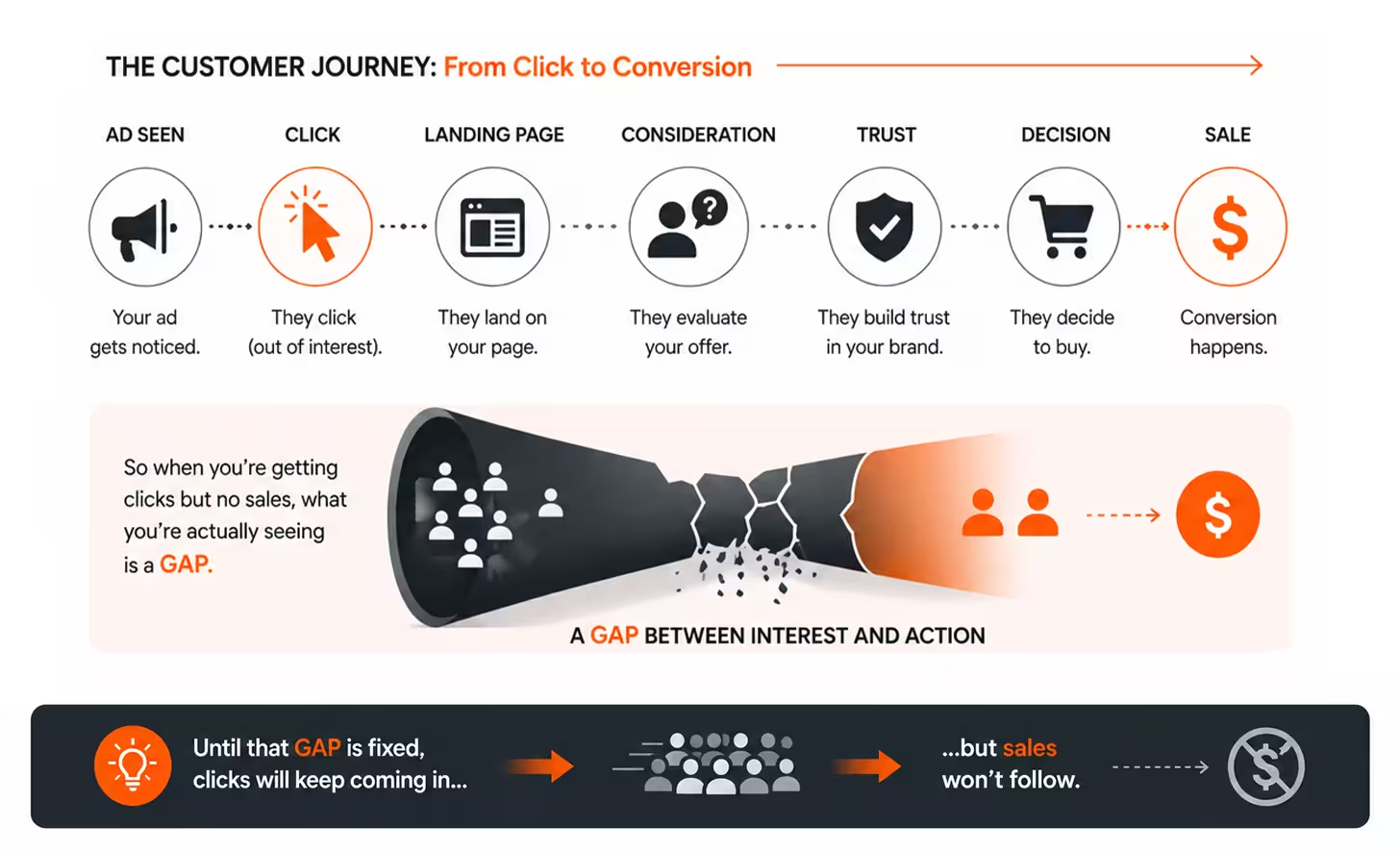
A click only tells you one thing—someone was interested enough to tap on your ad. And that’s where it stops. It doesn’t mean they trust your brand, and it definitely doesn’t mean they’re ready to buy.
This is a common misunderstanding, especially when running Facebook ads. Many assume that clicks automatically lead to conversions, but in reality, they’re just the first step in a much bigger journey.
So when you’re getting clicks but no sales, what you’re actually seeing is a gap. A gap between initial interest and the final decision to take action.
And that gap is where most potential customers drop off. Something is breaking the flow—whether it’s the landing page, the offer, the message, or even trust.
Until that gap is fixed, clicks will keep coming in… but sales won’t follow.
You can also learn about – Facebook Ads Not Converting? Let’s Fix What’s Really Going Wrong
The Most Common Reasons This Happens
1. You’re Optimising for Clicks Instead of Results
This is one of the biggest mistakes people make when running Facebook ads. At first glance, everything looks like it’s working. You’re getting clicks, traffic is coming in, and your ads are active.
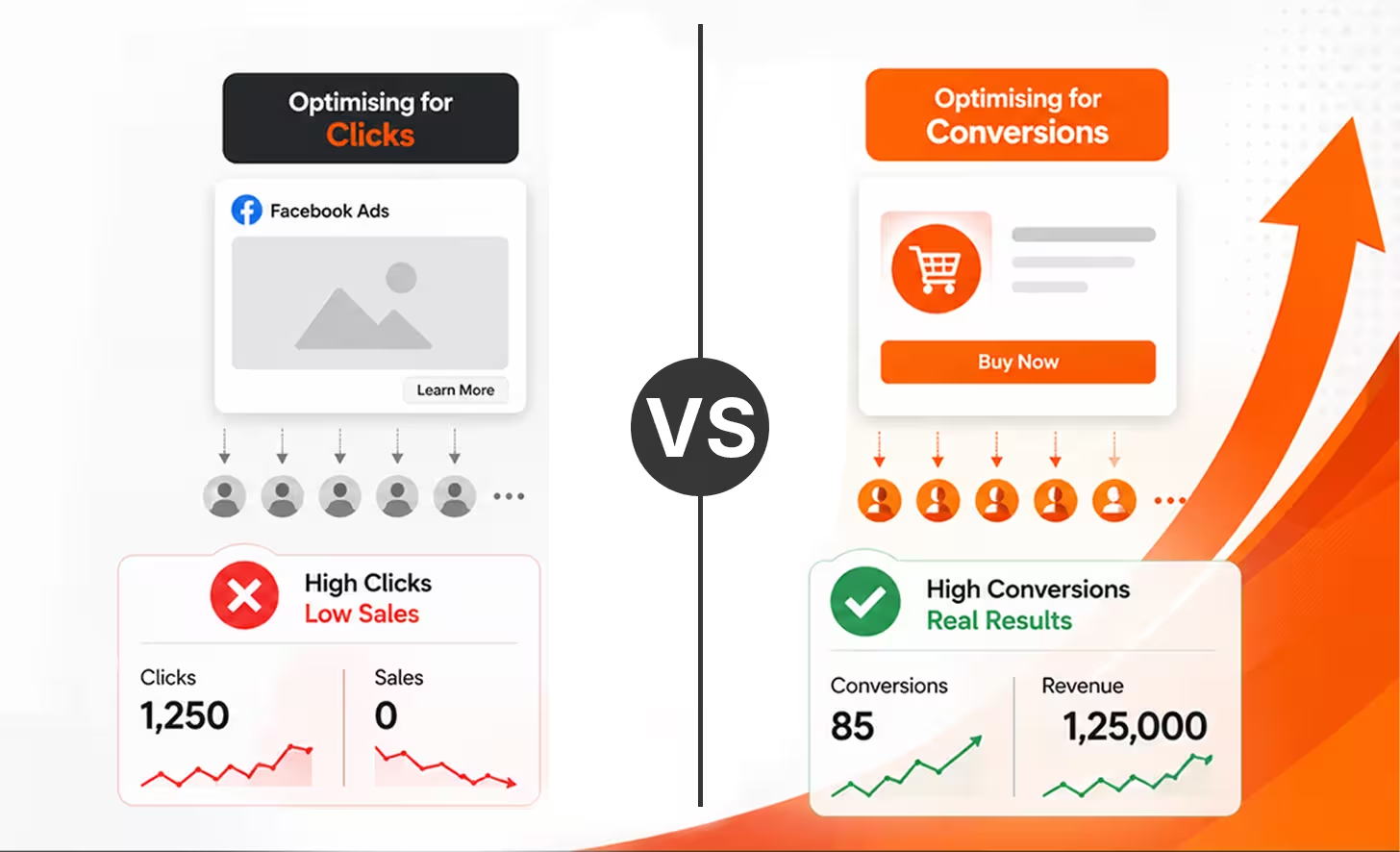
But here’s the problem—if your campaign is optimised for link clicks, Facebook will bring you people who are more likely to click, not people who are ready to buy.
So while your numbers may look impressive, your business isn’t actually growing. You’re paying for traffic, not conversions.
To make it clearer, here’s what’s really happening:
- Click-focused campaigns attract curious users, not buyers
- High CTR doesn’t guarantee sales
- You end up spending the budget without a real return
That’s why your campaign objective matters more than most people realise. When you switch to a conversion-focused campaign, Facebook starts targeting users who are more likely to take action—whether that’s making a purchase, signing up, or sending a message.
And sometimes, that one change is enough to turn “just clicks” into actual results.
2. Your Ad and Landing Page Don’t Feel Connected
People don’t click randomly—they click with expectations. Your ad makes a promise, sets a tone, and creates a specific idea in their mind.
But when they land on your page, and it feels different—even slightly—that’s where things start to break. The message doesn’t match, the offer feels unclear, or the design gives off a different vibe.
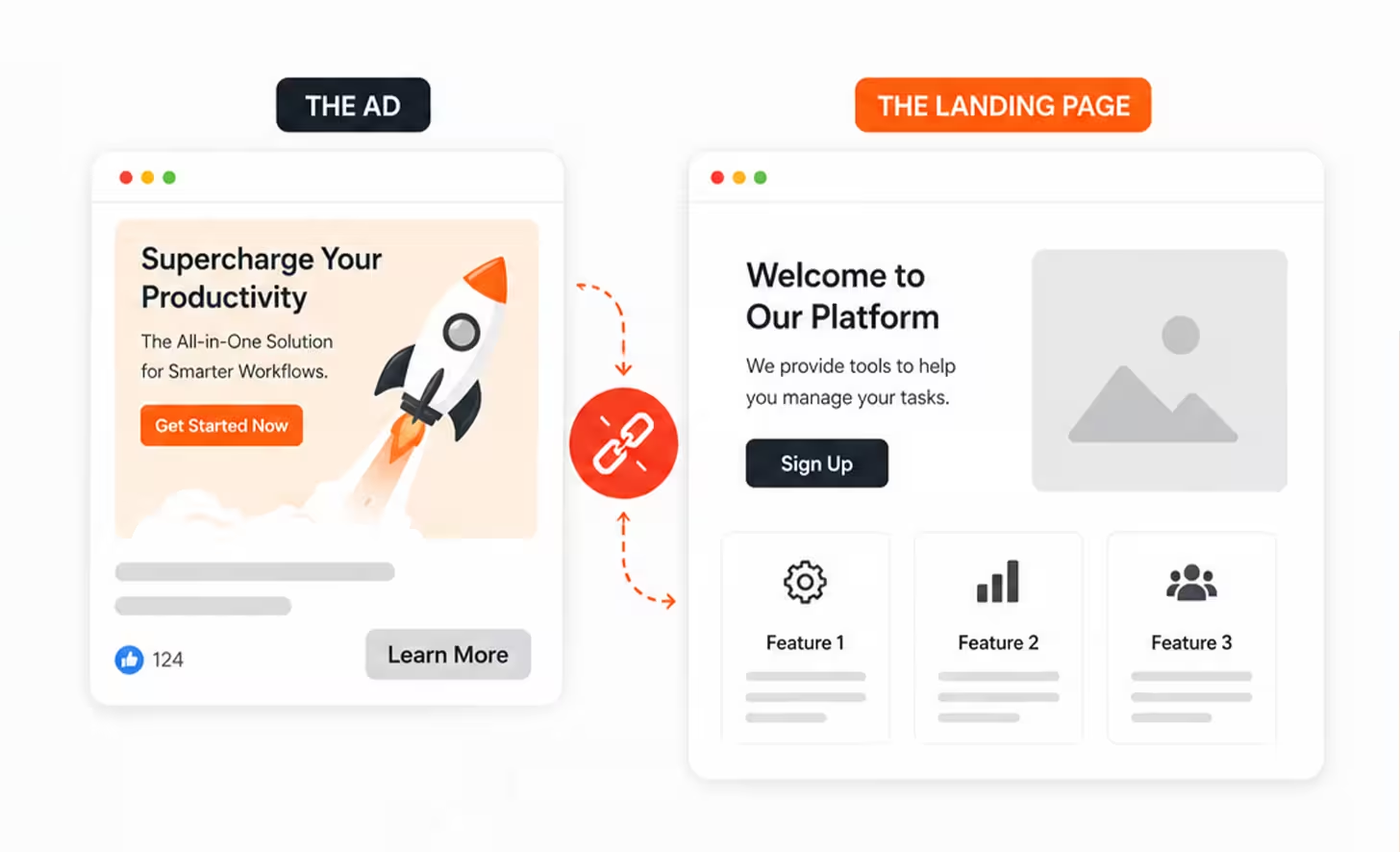
And that small disconnect creates doubt.
When people feel unsure, they don’t try to figure things out—they leave.
Here’s what usually causes this gap:
- The headline on the landing page doesn’t match the ad
- The offer feels different or less clear than expected
- The design or tone changes suddenly
- Too many distractions or mixed messages
This is why consistency matters more than most people realise. From the ad copy to the landing page, everything should feel like one smooth, connected experience.
When your message stays aligned, trust builds faster—and that’s what turns clicks into actual sales.
3. Your Landing Page Isn’t Doing Its Job
This is where most sales are actually lost. You can have a great ad, strong targeting, and solid traffic—but if your landing page doesn’t do its job, none of that really matters.
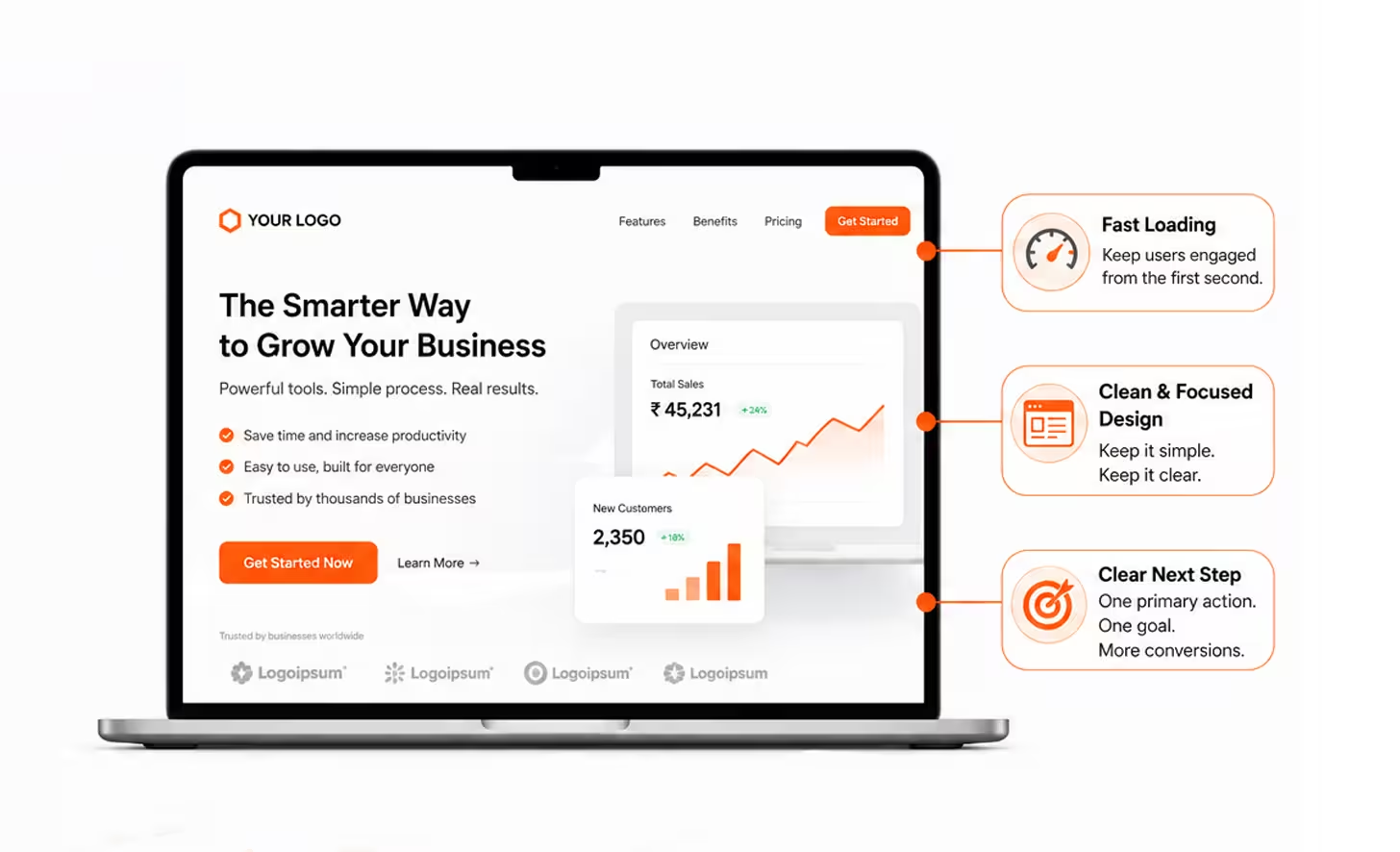
Because once someone clicks, your page has only a few seconds to convince them to stay, trust you, and take action. If that experience feels confusing or slow, they’re gone.
Most of the time, the problem comes down to simple things like:
- The page loads too slowly
- The design feels cluttered or overwhelming
- There’s no clear direction on what to do next
When users don’t immediately understand where to look or what action to take, they lose interest fast.
That’s why simple always works better. A clean layout, a clear message, and one focused action can make a huge difference.
When your landing page removes confusion and guides the user step by step, conversions start to happen naturally.
4. There’s No Real Trust Built
Before someone decides to buy, they need to feel comfortable. Not convinced—comfortable. And that only happens when there’s trust.
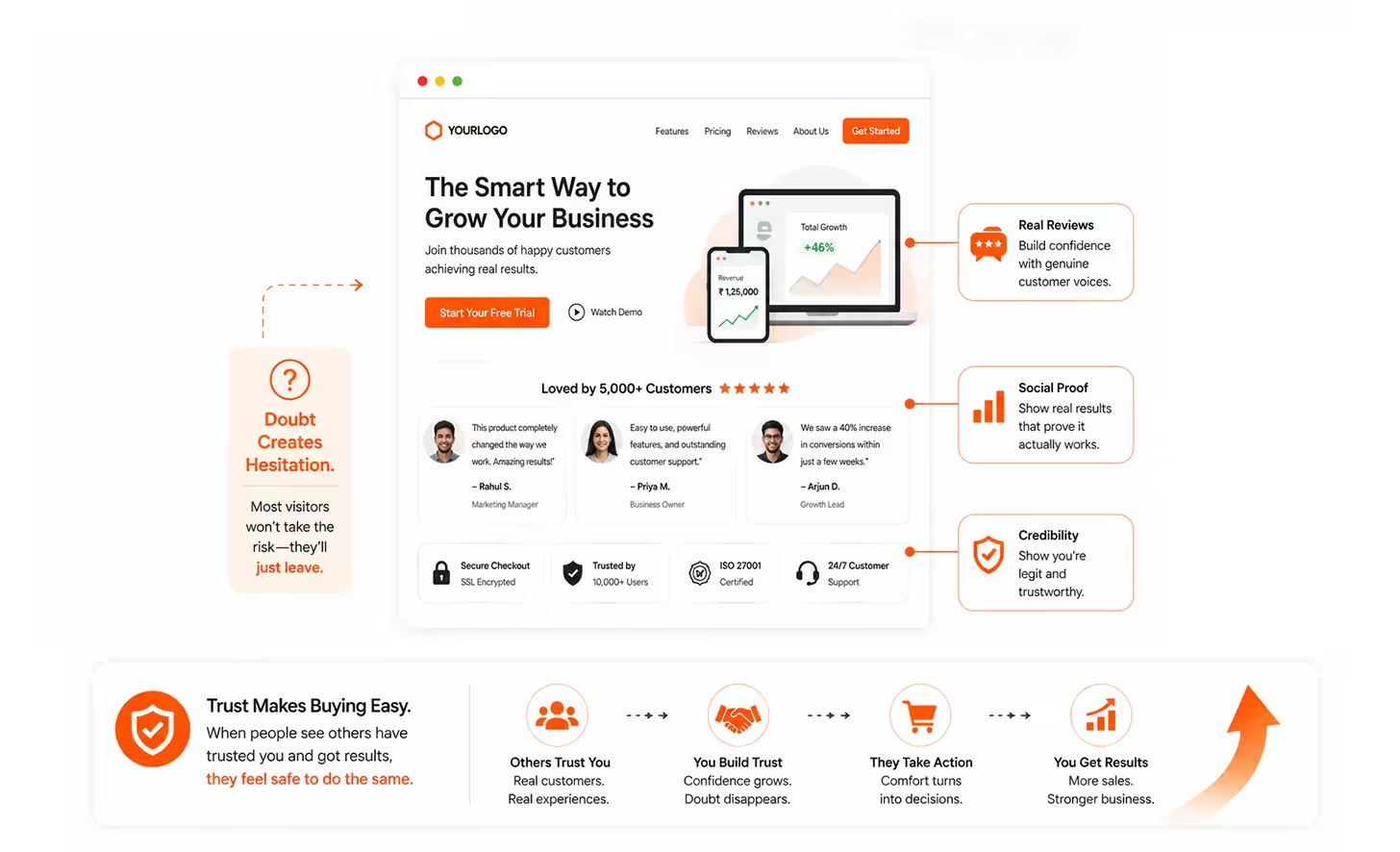
If your landing page feels empty, with no real proof or validation, people start to question everything. Is this legit? Does it actually work? Can I trust this brand?
And the moment doubt enters, hesitation follows.
Most visitors won’t take the risk—they’ll just leave.
This usually happens when your page is missing key trust signals like:
- Real customer reviews or testimonials
- Social proof (results, screenshots, case studies)
- Clear business information or credibility indicators
You don’t need anything complicated. Even a few honest testimonials or simple proof points can make a big difference.
Because when people see that others have already trusted you—and got results—it becomes much easier for them to take the next step.
5. You’re Reaching People Who Aren’t Ready Yet
Not everyone who clicks on your ad is ready to buy. Some people are just exploring, comparing options, or simply curious about what you’re offering.
And that’s completely normal.
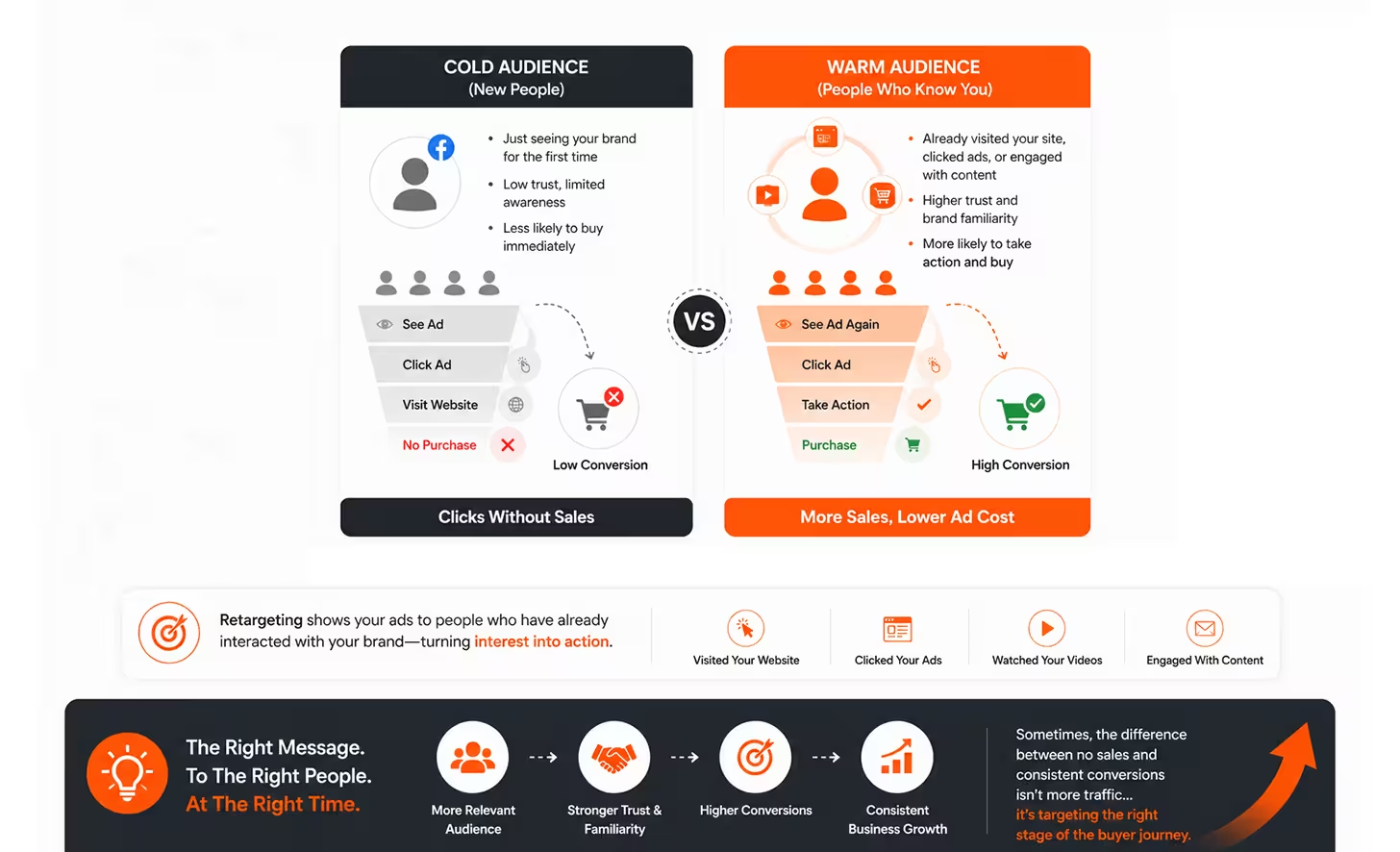
The problem starts when you expect immediate conversions from a cold audience. If people are seeing your brand for the first time, trust is low, awareness is limited, and the chances of them buying right away are naturally smaller.
That’s why relying only on cold targeting often leads to clicks without sales.
Here’s what’s really happening:
- Cold audiences are still in the discovery phase
- They need more time and exposure before making a decision
- One interaction is rarely enough to convert
This is where retargeting becomes powerful. When you show ads to people who have already visited your site, clicked your ads, or engaged with your content, you’re reaching a warmer audience.
And warm audiences convert much more easily—because they already know you.
Sometimes, the difference between no sales and consistent conversions isn’t more traffic… it’s targeting the right stage of the buyer journey.
6. You’re Expecting Too Much From One Ad
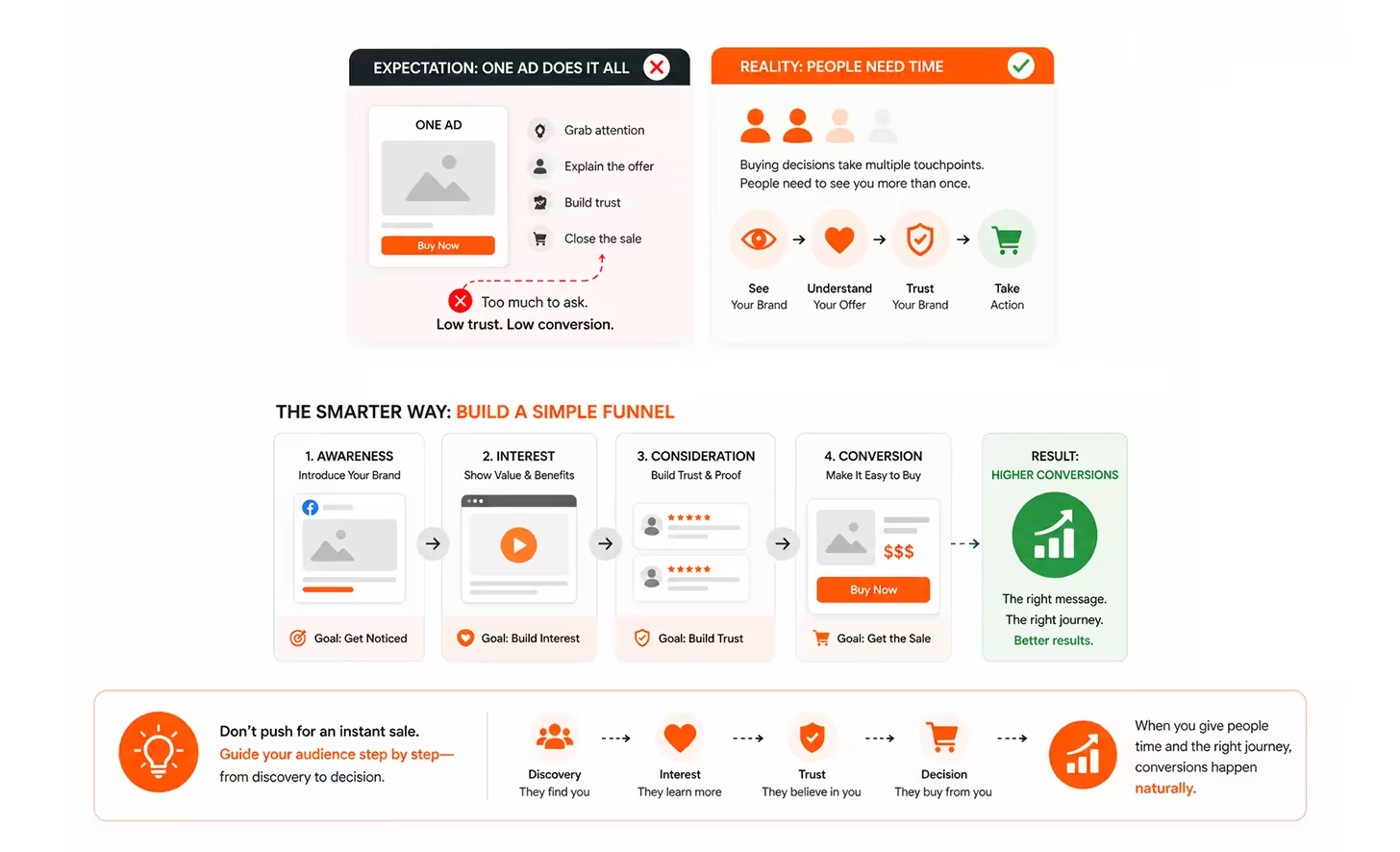
Most people don’t make a purchase the first time they see your ad. They need time to understand what you offer, build trust in your brand, and feel confident enough to take action.
But many businesses expect one ad to do everything—to grab attention, explain the offer, build trust, and close the sale all at once.
And that’s where things fall apart.
In reality, buying decisions take multiple touchpoints. People often need to see your brand more than once before they feel ready.
Here’s what usually happens:
- First interaction builds awareness
- Second interaction builds interest
- Repeated exposure builds trust and confidence
That’s why a simple funnel works much better than relying on a single ad. Instead of pushing for an instant sale, guide people step by step—from discovery to decision.
Because when you give people time and the right journey, conversions don’t feel forced… they happen naturally.
What You Can Do to Fix It
The good news? You don’t need to overcomplicate this. Most of the time, fixing your Facebook ads comes down to a few simple adjustments that make a real impact.
Instead of chasing advanced tactics, start with the basics and get those right first. Because small improvements in the right places can completely change your results.
Here’s where you should focus:
- Switch to a conversion-focused campaign instead of optimizing for link clicks
- Make sure your ad message and landing page feel consistent and aligned
- Improve your landing page speed, layout, and clarity
- Add real trust signals like testimonials or proof
- Retarget people who have already shown interest in your brand
None of these changes are complicated, but together they fix the exact gaps that cause clicks without sales.
And once those gaps are closed, you’ll start seeing a difference—not just in traffic, but in actual conversions.
A Quick Reality Check
If you’re getting clicks but no sales, it’s important to understand what’s really happening. Your ads are doing their job—they’re grabbing attention and bringing people in.
But your system? That’s where things are breaking.
Because conversions don’t happen from ads alone. They happen when everything works together—your message, your landing page, your trust signals, and your overall funnel.
And if even one part of that system is weak, results start to drop.
So instead of blaming your ads, take a step back and look at the full journey. From the first click to the final action, every step matters.
Once you fix those gaps, things start to make sense. Traffic turns into leads, and leads turn into sales.
Where Things Start to Break Down
This is where most businesses struggle. Not with running ads—but with making those ads actually work.
Getting clicks is easy. Turning those clicks into real customers is where things start to break down.
At BrandXpart, we look beyond just running ads. We focus on the full journey—what happens after someone clicks, how your landing page performs, where users drop off, and what’s stopping them from taking action.
Because that’s where the real problem usually is.
Here’s what typically needs fixing:
- The gap between your ad and landing page
- An unclear or weak conversion flow
- Missing trust elements that make people hesitate
- Funnel issues that quietly reduce your results
The goal is simple—make your traffic actually count.
Because at the end of the day, clicks don’t grow your business. Conversions do.
Frequently Asked Questions (FAQ)
Why am I getting clicks but no sales from Facebook ads?
Getting clicks means your ads are attracting attention, but sales depend on what happens after the click. In most cases, the issue is with your landing page, offer, or overall funnel—not the ad itself. If the experience doesn’t match expectations or build trust, people leave without converting.
Do Facebook ads guarantee sales?
No, Facebook ads don’t guarantee sales. They bring traffic, but conversions depend on factors like targeting, messaging, landing page quality, and trust signals. Ads are just the entry point—the system behind them determines results.
Should I optimize for link clicks or conversions?
If your goal is sales or leads, you should optimize for conversions. Link click campaigns often bring people who like to click, not necessarily people who are ready to buy. Conversion campaigns help Facebook find users more likely to take action.
Why is my landing page not converting?
A landing page may fail to convert if it loads slowly, looks cluttered, or doesn’t clearly guide the user. If your message isn’t aligned with the ad or lacks trust elements like reviews or testimonials, visitors will leave without taking action.
How important is retargeting for Facebook ads?
Retargeting is extremely important. Most users don’t convert on the first visit, especially if they’re seeing your brand for the first time. Retargeting helps you reconnect with people who already showed interest, making them more likely to convert.
How can I improve my Facebook ad conversions?
Start by fixing the basics: use conversion-focused campaigns, align your ad with your landing page, improve page speed and clarity, add trust signals, and retarget interested users. Small improvements in these areas can significantly increase conversions.
How long does it take to see results from Facebook ads?
It depends on your strategy, audience, and funnel. Some campaigns can show results quickly, but in most cases, it takes time to test, optimize, and build trust before consistent conversions happen.
Conclusion
If you’re in this situation, don’t panic. Getting clicks means your ads are already doing something right—you’re capturing attention, and that’s the first step.
Now it’s about fixing what comes next.
Because conversions don’t happen by chance. They happen when your message, landing page, and overall funnel work together in a clear and consistent way.
Once you improve that experience, things start to shift. The same traffic that wasn’t converting before can suddenly turn into real results.
At the end of the day, it’s not about how many people click—it’s about how many people actually take action.