



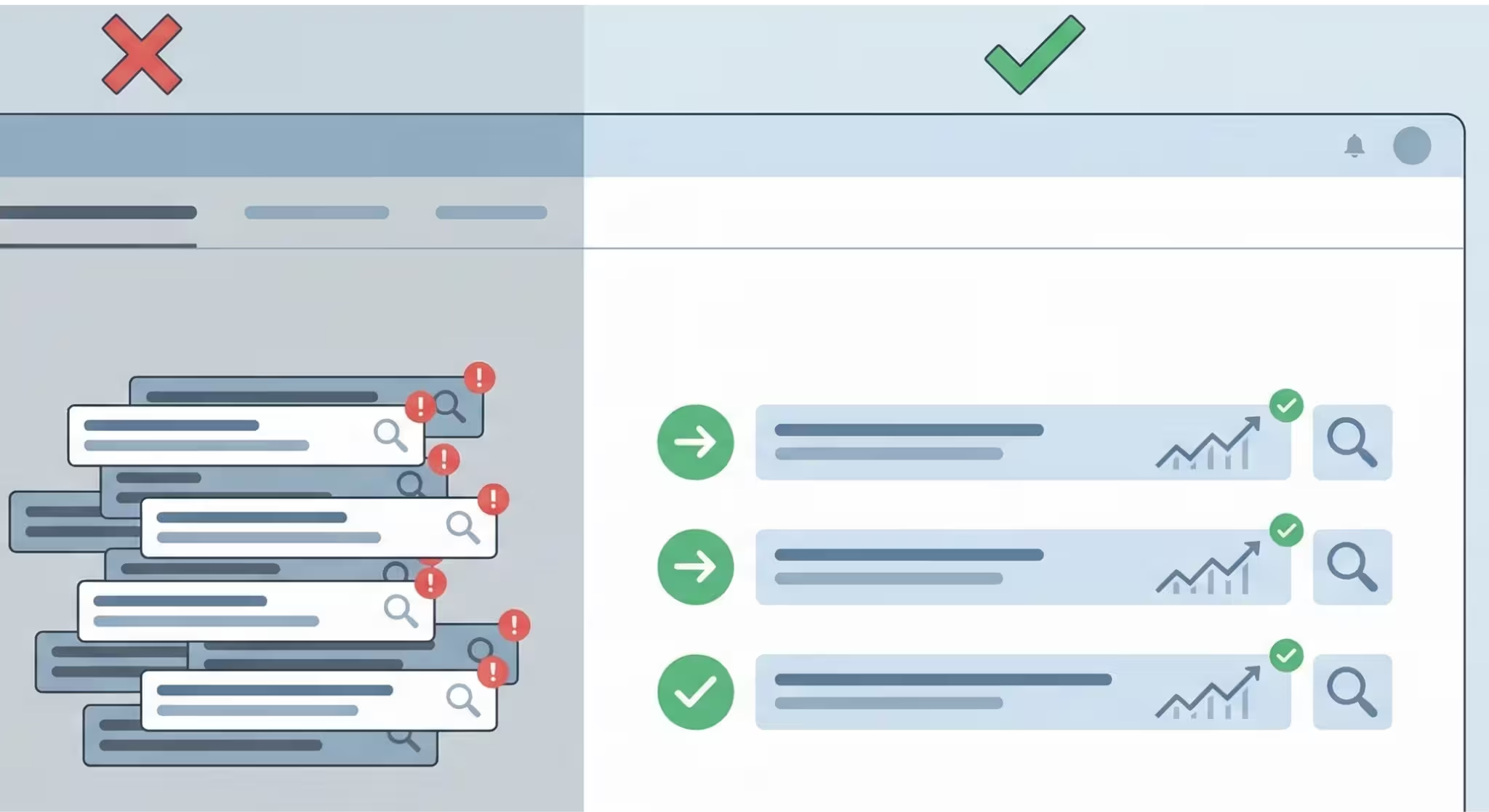
Low website traffic is one of the most common problems businesses face today. You invest in a website, launch it with high hopes, and wait for visitors. But days pass, then weeks, and still nothing happens. Very few people visit your site, inquiries are rare, and sales do not improve.
If this sounds familiar, you are not alone. Many businesses in Bangladesh experience the same issue. The good news is that low website traffic is not a permanent problem. It is usually the result of clear and fixable issues. Once you understand what is wrong and apply the right solutions, traffic can grow steadily over time.
In this article, you will learn why your website has low traffic and how to fix it step by step, based on real digital marketing experience from BrandXpart.
What Does Low Website Traffic Mean?
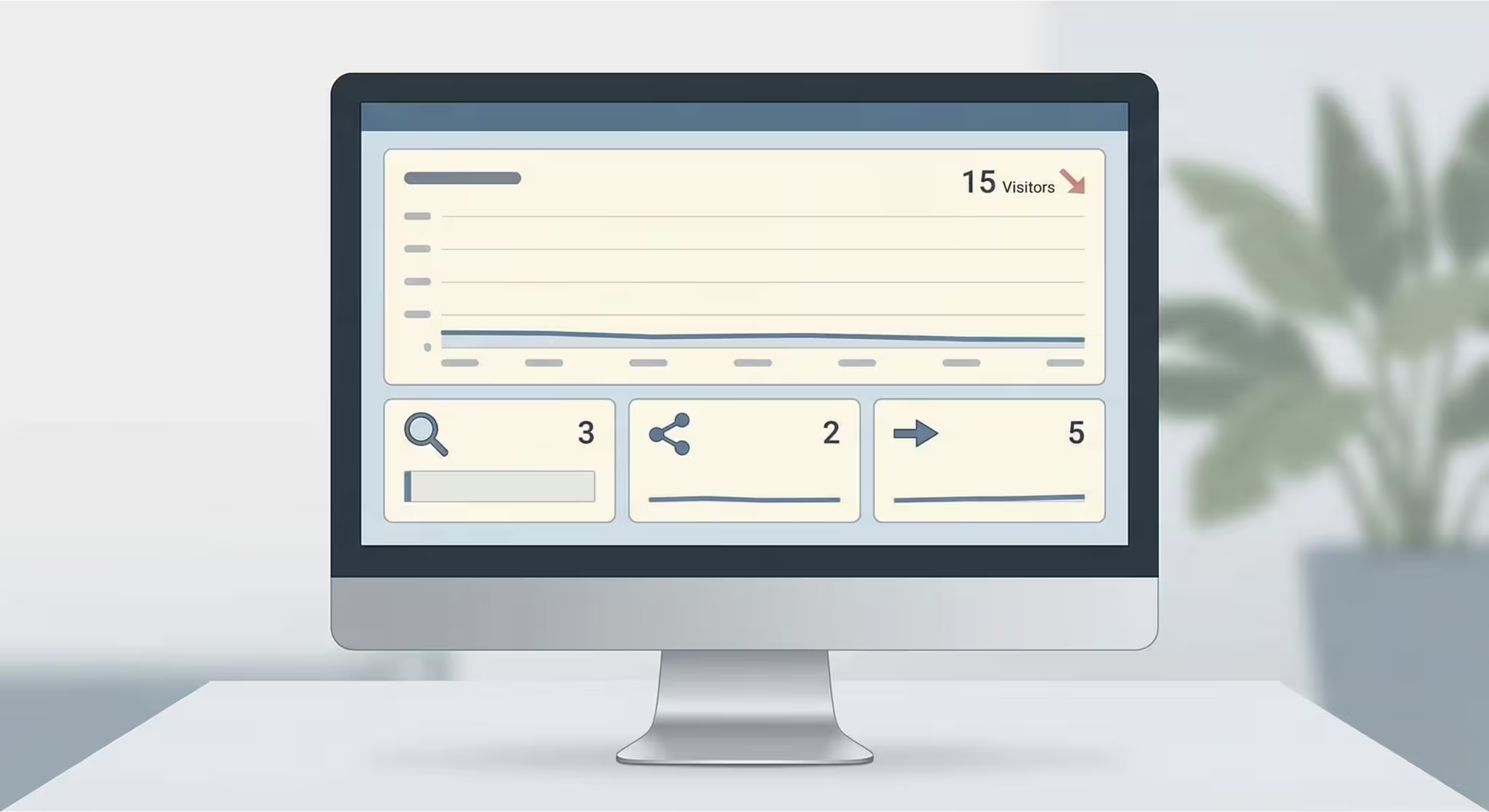
Low website traffic simply means that very few users are visiting your website. This can affect different traffic sources, such as Google search, social media, or direct visits. However, for most businesses, the main problem is low organic traffic from Google.
When your website does not appear in search results, people cannot find you. No matter how good your services are, customers will choose competitors who are visible online. This is why traffic is the foundation of online business growth.
Why Low Website Traffic Is a Serious Business Problem
Low traffic is not just a technical issue. It directly affects your business performance. Without visitors, your website cannot generate leads, calls, or sales. It becomes an online brochure that no one sees.
Low website traffic leads to:
- Fewer brand awareness opportunities
- Low inquiries and conversions
- Poor return on website investment
- Slow business growth
A website should work like a 24/7 marketing tool. Without traffic, it cannot do its job.
Why Your Website Has Low Traffic
Low website traffic usually does not come from one single mistake. Instead, it is caused by several small problems working together. Let’s look at the most common reasons.
Your Website Is Not Ranking on Google
Google is the largest source of website traffic. If your site does not rank on Google, traffic will always remain low. Most users never go beyond the first page of search results.
Common reasons your website does not rank include poor SEO setup, lack of keyword research, weak content, or strong competition. If Google cannot clearly understand what your website offers, it will not show your pages to users.
You Are Targeting the Wrong Keywords
Many businesses choose keywords that sound attractive but are extremely competitive. For example, generic keywords like “digital marketing” or “website design” are dominated by large companies with strong authority.
The real problem is not keyword volume, but search intent. You need keywords that match what real customers are searching for. Location-based, service-specific, and problem-focused keywords bring more relevant visitors and are easier to rank for.
Your Content Is Not Helping Users
Content plays a huge role in traffic growth. Blogs, service pages, and guides help Google understand your website and attract users from search engines.
Websites with low traffic often have content that is too short, generic, outdated, or copied. This type of content does not provide value and does not rank well.
Content that attracts traffic is helpful, clear, and focused on solving real problems. When users find answers on your website, they stay longer, which sends positive signals to Google.
Technical Problems Are Reducing Your Traffic
Even high-quality content will struggle if your website has technical issues. Google wants to send users to websites that load fast and work smoothly on all devices.
Common technical problems include slow page speed, poor mobile experience, broken links, and indexing errors. These issues frustrate users and reduce your visibility in search results.
Your Website Lacks Authority and Trust
Google prefers websites that it can trust. One of the main ways Google measures trust is through backlinks. Backlinks are links from other websites pointing to your site.
Websites with low traffic often have few or no backlinks, or they rely on low-quality paid links. Without authority, Google finds it difficult to rank your website, even if your content is good.
You Are Ignoring Local SEO
For businesses serving customers in Bangladesh, local SEO is extremely important. Many people search using location terms like city or area names.
If your website is not optimised for local search, Google may not show it to nearby users. This means you miss out on high-intent traffic from people who are ready to contact or visit your business.
Proven Solutions for Low Website Traffic
Now let’s focus on what actually works. These solutions are practical and effective when applied consistently.
Step 1: Make Sure Google Can Find Your Website
The first step is ensuring that Google can crawl and index your website. If Google cannot see your pages, traffic will never increase.
You should check your website using Google Search Console, submit an XML sitemap, and fix any indexing or crawl errors. This creates a strong foundation for traffic growth.
Step 2: Improve Your Keyword Strategy
Keyword research is the backbone of SEO. Instead of targeting broad keywords, focus on long-tail and location-based searches.
Good keywords reflect real customer intent. They may have lower search volume, but they bring visitors who are more likely to take action.
Step 3: Create Helpful and Easy-to-Read Content
Content is one of the best long-term traffic solutions. Well-written content helps you rank for multiple keywords and builds trust with users.
Your content should be easy to read, structured with headings, and focused on answering real questions. Publishing useful blogs regularly helps Google see your website as an authority in your niche.
Step 4: Fix Website Speed and Mobile Experience
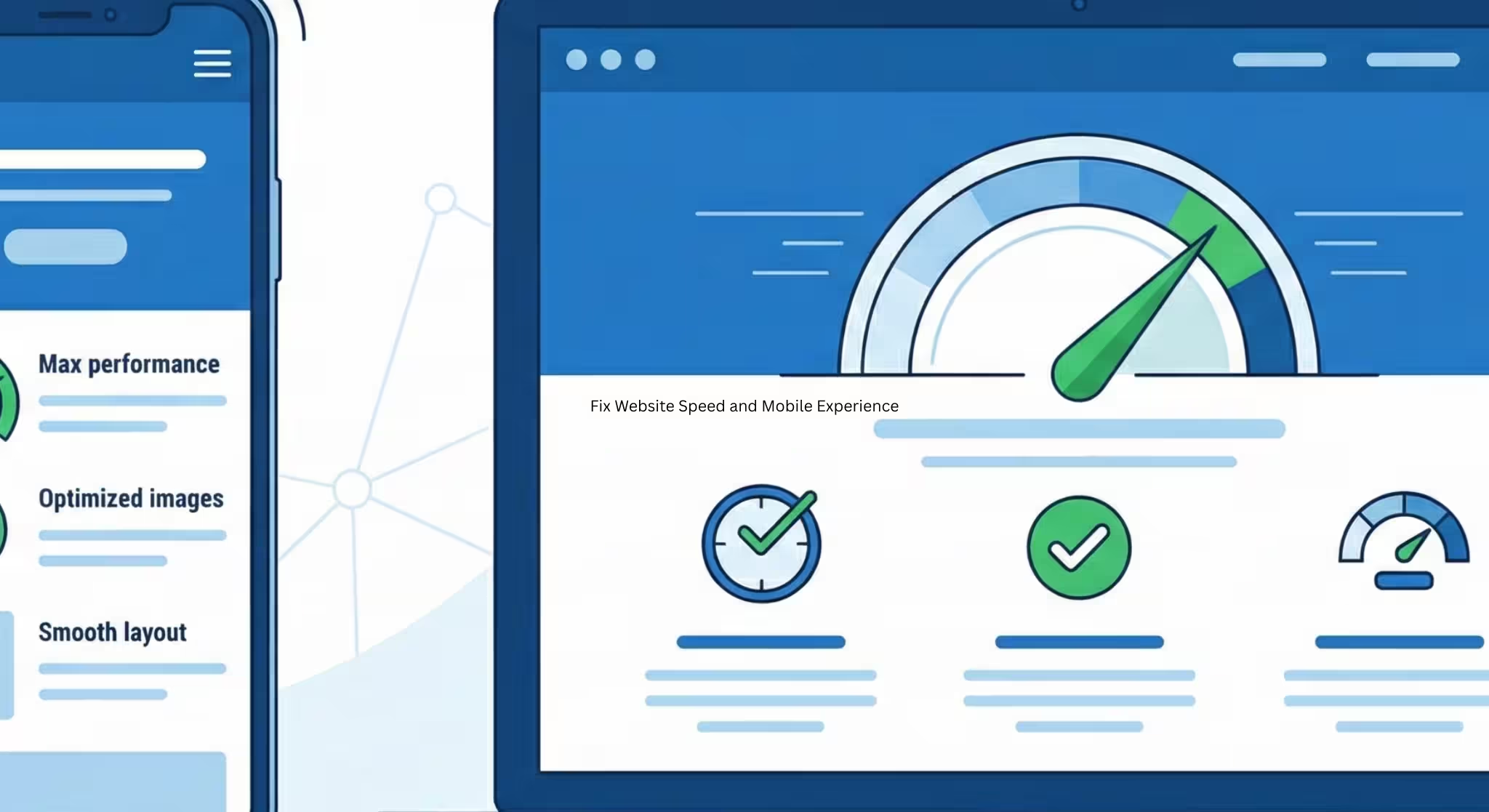
A fast website improves both user experience and rankings. Most users browse on mobile devices, so mobile optimization is essential.
Improving page speed, optimising images, and ensuring responsive design can significantly reduce bounce rates and increase traffic over time.
Step 5: Build Backlinks the Right Way
Backlinks should be built carefully and naturally. Avoid shortcuts like cheap paid links, as they can harm your website.
Focus on earning links from relevant blogs, local directories, and trusted websites. Over time, this builds authority and helps your website rank higher.

Step 6: Use Local SEO to Attract Nearby Customers
Local SEO helps you appear in Google Maps and local search results. Optimising your Google Business Profile, using location keywords, and keeping business details consistent can bring highly targeted traffic.
Local visitors are more likely to contact you, making this traffic extremely valuable.
How Long Does It Take to Increase Website Traffic?
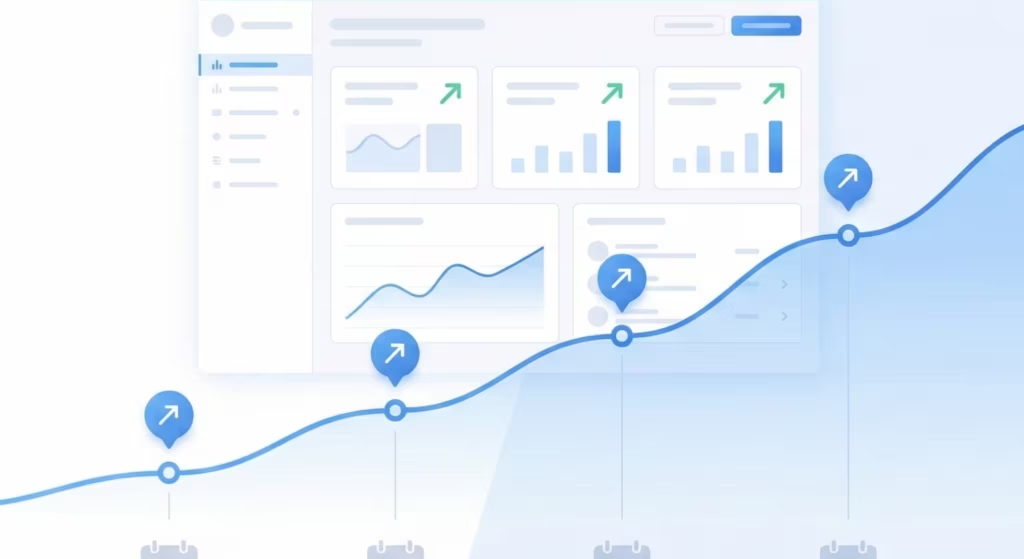
Website traffic growth takes time. There is no instant solution. SEO works gradually as Google evaluates improvements.
A realistic timeline looks like this:
- First 1–2 months: Fix technical and SEO issues
- Months 3–4: Traffic begins to increase
- Months 5–6: Consistent and stable growth
Patience and consistency are key.
Common Mistakes That Keep Website Traffic Low
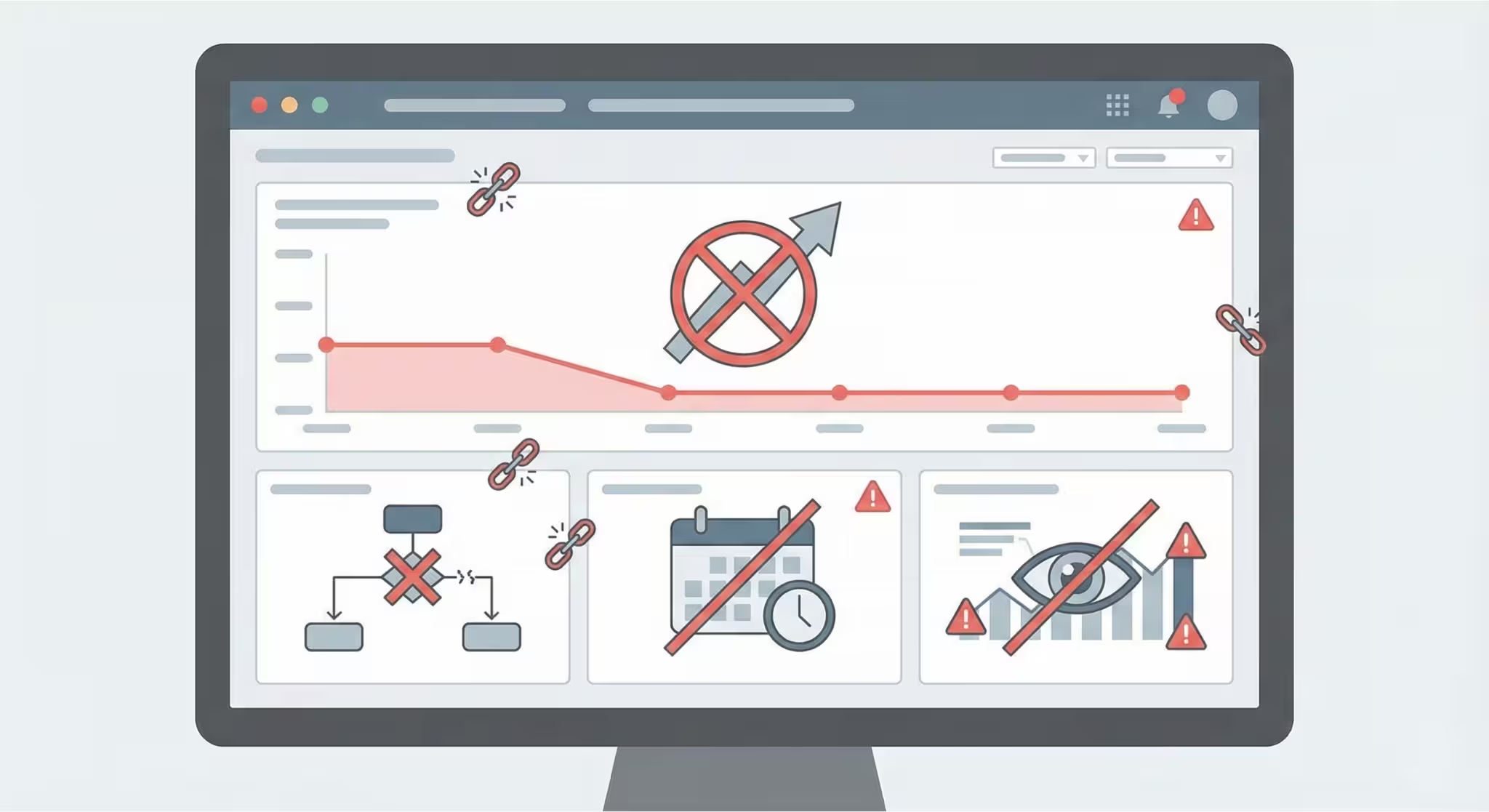
Many websites fail to grow traffic because of repeated mistakes. These include expecting fast results, stopping SEO too early, publishing content without strategy, and ignoring analytics data.
Avoiding these mistakes can make traffic growth much smoother.
Final Thoughts
Low website traffic does not mean your website is useless. It means your website needs the right strategy, better content, and consistent SEO work.
When you focus on search visibility, helpful content, technical performance, authority building, and local optimization, traffic increases naturally over time.
Your website should support your business goals—not sit online without visitors. With the right approach, low traffic can turn into steady growth and real results.